

The construction industry stands at a pivotal crossroads where environmental responsibility meets architectural innovation. Traditional concrete production contributes approximately eight percent of global carbon dioxide emissions annually, positioning it as one of the most significant industrial pollutants worldwide. However, groundbreaking technological advancements in carbon-sequestering concrete are revolutionizing how cities build their futures while simultaneously addressing climate change challenges.
Understanding Carbon-Sequestering Concrete Technology
Carbon-sequestering concrete represents a paradigm shift in construction materials science. Unlike conventional concrete that releases substantial greenhouse gases during production, this innovative material actively captures and permanently stores carbon dioxide within its molecular structure. The technology transforms concrete from a major environmental liability into a potential climate solution.
The process involves injecting captured carbon dioxide into fresh concrete during mixing, where it becomes chemically converted into solid mineral form and remains permanently trapped within the material. This mineralization process essentially converts carbon dioxide back into limestone, achieving its lowest thermodynamic state and creating a stable, long-lasting carbon storage solution.
Multiple Approaches to Carbon Capture in Concrete
The industry has developed several distinct methodologies for incorporating carbon capture into concrete production, each offering unique advantages and applications.
A. Direct CO2 Injection Methods
Commercial technologies enable concrete producers to inject captured carbon dioxide into fresh concrete during the mixing process. This approach has gained significant traction across North America, Southeast Asia, Latin America, and Europe. The injected carbon dioxide undergoes immediate chemical reactions with calcium compounds in the cement, forming stable calcium carbonate crystals that enhance the material’s structural properties while permanently sequestering emissions.
B. Cement Manufacturing Integration
Advanced technologies enable carbon capture and utilization directly at cement manufacturing facilities, where carbon dioxide is captured from exhaust emissions and reintroduced into the production kiln. This closed-loop system significantly reduces carbon dioxide loss during the manufacturing process, addressing emissions at their source rather than attempting to compensate afterward.
C. Chemically-Induced Pre-Cure Carbonation
Researchers have developed chemically-induced pre-cure carbonation methods that introduce carbon dioxide into concrete mixtures as solid powder, specifically sodium bicarbonate. This innovative approach offers precise control over carbon sequestration quantities and proves particularly convenient for cast-in-place applications where traditional forced carbonation methods prove impractical.
D. Suspension Carbonation Technology
Recent experimental approaches involve injecting carbon dioxide into cement suspension before manufacturing concrete, transforming the carbonation reaction into a rapid aqueous ionic reaction rather than a slow diffusion-controlled process. This method achieves carbon dioxide sequestration efficiency reaching forty-five percent while maintaining uncompromised concrete strength.
E. Biochar Integration Methods
Carbon-negative concrete can be created by replacing thirty percent of cement with engineered biochar that has been treated with concrete production wastewater. The alkaline, calcium-rich wastewater saturates the porous biochar structure, reacting with atmospheric carbon dioxide to produce calcium carbonate that strengthens the biochar and improves cement binding properties.
Environmental Impact and Climate Benefits
The environmental advantages of carbon-sequestering concrete extend far beyond simple emissions reduction, positioning this technology as a cornerstone of sustainable urban development.
Global Emissions Context
Cement production accounts for approximately seven to eight percent of global carbon dioxide emissions, with portland cement’s binding agent representing ten to fifteen percent of concrete’s mass but accounting for eighty to ninety percent of its emissions. This disproportionate impact makes cement production a critical target for decarbonization efforts.
Quantifiable Carbon Reduction
A notable commercial project utilized forty-eight thousand cubic yards of carbon dioxide mineralized concrete, achieving a seven hundred fifty-ton carbon footprint reduction equivalent to eight hundred eighty-eight acres of forestland absorbing carbon dioxide for one year. These dramatic results demonstrate the technology’s potential for meaningful climate impact at architectural scale.
Long-Term Sequestration Potential
Advanced carbon capture, utilization, and storage technologies across multiple manufacturing phases could eventually enable concrete to serve as a global carbon sink, potentially achieving carbon-negative concrete where more emissions are captured and stored than generated during production and use. This transformative vision would fundamentally alter concrete’s role in global climate systems.
Industry-Wide Impact Projections
Carbon utilization in the concrete sector represents an estimated four hundred billion dollar market opportunity with potential to reduce up to three gigatons of annual carbon dioxide emissions by the year twenty-thirty. This reduction would equal the current emissions of the entire digital technology industry and exceed Japan’s total annual emissions.
Structural Performance and Engineering Advantages
Beyond environmental benefits, carbon-sequestering concrete delivers tangible engineering improvements that make adoption economically attractive for construction projects.
Strength Enhancement Properties
Carbon dioxide mineralization increases concrete’s compressive strength, meaning builders can use less material while maintaining structural requirements, saving costs and reducing environmental impact. Early-stage carbonation typically improves compressive strength by approximately twenty percent within the first twenty-four hours compared with unaccelerated curing methods.
Laboratory testing demonstrates that substituting ten percent of cement with biochar can increase compressive strength by ten to thirty percent, improving both performance and durability. These strength improvements challenge the assumption that environmental benefits must compromise structural performance.
Durability Improvements
Carbon dioxide-rich curing processes reduce concrete permeability, thereby improving overall durability and extending structural lifespan. Lower permeability prevents moisture infiltration, chemical attack, and freeze-thaw damage that typically degrade conventional concrete over time. Enhanced durability translates to reduced maintenance requirements, lower lifecycle costs, and decreased need for replacement materials.
Design Flexibility
The ability to control carbon sequestration quantities provides engineers with unprecedented flexibility in concrete mix design. Architects and structural engineers can optimize formulations for specific applications, balancing strength requirements, carbon storage capacity, cost considerations, and aesthetic preferences. This customization enables more efficient material use while maximizing environmental benefits.
Commercial Implementation and Market Adoption
The transition from laboratory innovation to widespread commercial deployment demonstrates carbon-sequestering concrete’s practical viability and growing market acceptance.
Geographic Distribution
More than six hundred fifty concrete plants across the United States, Canada, Southeast Asia, Latin America, Europe, and other global regions have implemented carbon capture technologies, dramatically increasing from fewer than one hundred facilities in twenty eighteen. This rapid expansion reflects both technological maturity and growing environmental consciousness within the construction industry.
Cumulative Production Volume
The technology has been utilized in more than twenty-two million cubic yards of concrete supplied to construction projects across North America, resulting in savings of more than one hundred eighty million metric tons of carbon dioxide. These substantial volumes demonstrate that carbon-sequestering concrete has progressed beyond experimental status to become a mainstream construction option.
Notable Building Projects
Several high-profile developments showcase carbon-sequestering concrete’s architectural potential and real-world performance:
A. Commercial Office Buildings: Major commercial developments have incorporated carbon-mineralized concrete throughout their structures, demonstrating the technology’s scalability for large construction projects. These buildings serve as visible testaments to sustainable construction practices while providing quantifiable environmental benefits.
B. Corporate Headquarters: Technology companies seeking to minimize their environmental footprints have specified carbon-sequestering concrete for their headquarters facilities. These projects often incorporate comprehensive sustainability features, with carbon-negative concrete serving as a foundation for broader green building strategies.
C. Hospitality and Entertainment Venues: Resort complexes and entertainment facilities have adopted carbon-sequestering concrete, recognizing both environmental benefits and marketing advantages associated with sustainable construction practices.
Investment and Industry Support
Major technology companies including Amazon, Microsoft, Shopify, and Stripe have backed carbon-sequestering concrete technologies, recognizing potential for permanent carbon dioxide sequestration. This corporate support provides crucial capital for scaling production capacity while validating the technology’s commercial viability and environmental credibility.
Economic Considerations and Financial Viability
Financial sustainability remains essential for widespread adoption of any new construction technology, making economic analysis crucial for carbon-sequestering concrete evaluation.
Cost-Benefit Analysis
Preliminary cost-benefit analysis demonstrates that biochar-augmented concrete could yield satisfactory overall economic profits, with optimal mixtures potentially generating profits of approximately thirty-five United States dollars per cubic meter. These positive economic returns challenge the misconception that environmental responsibility necessarily increases construction costs.
Material Substitution Savings
Reducing cement content through carbon-sequestering additives directly decreases material costs since cement represents one of concrete’s most expensive components. The strength improvements provided by carbon mineralization enable further cement reduction without compromising structural performance, compounding cost savings while simultaneously reducing environmental impact.
Carbon Credit Opportunities
Production platforms deliver economic incentives by translating high-integrity production data and third-party audits of carbon dioxide savings into high-integrity credits for corporate buyers in carbon markets. These tradeable credits create additional revenue streams that offset implementation costs and incentivize broader adoption.
Lifecycle Cost Advantages
Enhanced durability translates to reduced maintenance expenses and extended service life, lowering total ownership costs over structures’ operational lifespans. While initial material costs may occasionally exceed conventional concrete prices, lifecycle analysis consistently demonstrates favorable economics for carbon-sequestering alternatives.
Technical Challenges and Limitations
Despite remarkable progress, carbon-sequestering concrete faces several technical obstacles that researchers and manufacturers continue addressing through ongoing innovation.
Application Constraints
Some carbon curing processes can only occur in controlled factory environments, restricting use to precast products such as concrete masonry units and panels rather than liquid ready-mix concrete cast on construction sites. This limitation prevents deployment for foundations, floors, and other cast-in-place structural elements that constitute substantial portions of building concrete.
Material Availability Issues
Steel slag supply limitations pose challenges, with only approximately two hundred fifty million tonnes produced annually compared to four billion tons of cement. Alternative binder materials face similar availability constraints that could limit scaling potential if demand increases dramatically.
Sequestration Capacity Limits
Concrete’s carbon dioxide sequestration capacity has inherent limits since strength derives from calcium silicate reactions with water, leaving only small portions of silicates available for reaction with carbon dioxide. These chemical constraints mean concrete cannot absorb unlimited carbon dioxide quantities without compromising structural integrity.
Carbon Source Considerations
Pretreatment required to separate carbon dioxide from cement plant flue gas also reduces harmful local air pollutants like particulate matter and sulfur dioxide. However, the energy and equipment required for carbon capture systems represent significant capital investments that may deter adoption at smaller production facilities.
Innovative Supplementary Technologies
Researchers continue developing complementary approaches that enhance carbon sequestration potential and expand application possibilities for sustainable concrete.
Alternative Cementitious Materials
A. Limestone Calcined Clay: Limestone calcined clay represents a cost-effective, energy-efficient substitution for traditional portland cement, with large-scale production facilities providing material to major infrastructure projects. This readily available alternative reduces emissions while maintaining structural performance.
B. Algae-Grown Limestone: Researchers have developed methods to grow limestone particles using microalgae that sequester and store carbon dioxide through photosynthesis, creating net carbon-neutral or carbon-negative portland cement production. This biomimetic approach harnesses natural processes for sustainable material generation.
C. Waste-Derived Binders: Industrial byproducts including ground granulated blast furnace slag from steel production and fly ash from coal-fired power plants can partially replace cement while achieving comparable mechanical properties through additional hydration products. These waste-stream utilizations simultaneously address disposal challenges and reduce virgin material demand.
Advanced Manufacturing Techniques
A. Three-Dimensional Printing: Additive manufacturing technologies enable precise material placement, minimizing waste while optimizing structural performance. Computer-controlled deposition allows complex geometries that reduce material quantities without compromising strength.
B. Self-Healing Concrete: Incorporation of bacteria or chemical agents that autonomously repair cracks extends service life and reduces maintenance requirements. These biological or chemical healing mechanisms activate when damage occurs, sealing fissures before significant deterioration develops.
C. Artificial Aggregate Production: Scientists have developed methods using seawater, electricity, and carbon dioxide to create solid carbon-negative materials that can substitute for sand or gravel in concrete. These synthetic aggregates permanently trap carbon dioxide while eliminating environmental impacts associated with traditional aggregate mining.
Urban Design and Cityscape Transformation
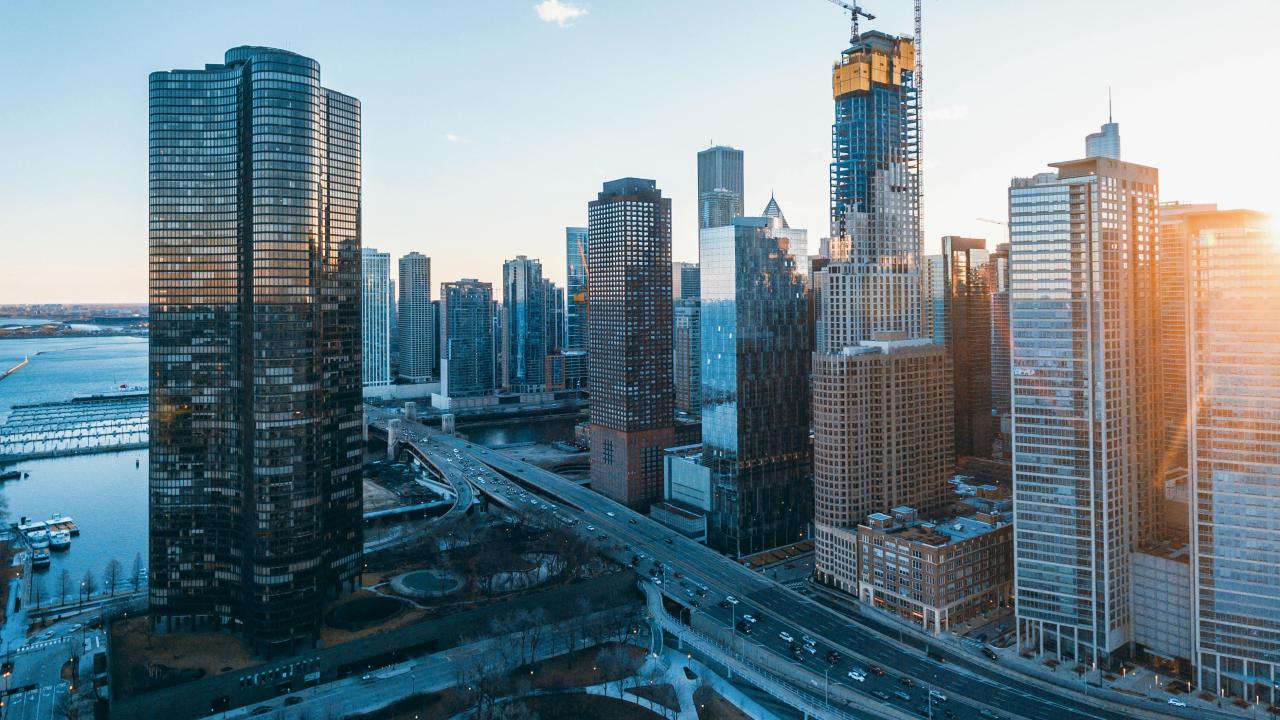
Carbon-sequestering concrete extends beyond individual buildings to reshape entire urban environments and influence metropolitan planning strategies.
Green Building Certification Impact
Sustainable construction certifications increasingly recognize carbon-sequestering concrete’s environmental benefits, awarding points toward green building ratings. Projects utilizing these materials gain competitive advantages in increasingly environmentally conscious real estate markets where sustainability credentials influence property values and tenant attraction.
Public Infrastructure Applications
Municipal governments specify carbon-sequestering concrete for sidewalks, roads, bridges, and other public works projects. These large-scale applications multiply environmental benefits while demonstrating governmental commitment to climate action. Public procurement policies that prioritize low-carbon materials accelerate market transformation by creating reliable demand.
Architectural Aesthetic Opportunities
Carbon-sequestering concrete enables identical architectural expressions as conventional materials, ensuring designers face no aesthetic compromises. Surface finishes, colors, textures, and formwork patterns remain fully customizable, allowing architects to realize creative visions while meeting sustainability objectives.
Urban Heat Island Mitigation
Carbon-negative materials can be formulated with varying properties including porosity levels, enabling permeable concrete that reduces urban heat island effects. These porous surfaces allow water infiltration while providing cooling through evaporation, addressing multiple environmental challenges simultaneously.
Regulatory Framework and Policy Considerations
Government regulations and industry standards play crucial roles in accelerating carbon-sequestering concrete adoption and ensuring performance consistency.
Building Code Integration
Progressive jurisdictions incorporate carbon emission considerations into building codes, establishing maximum embodied carbon thresholds for new construction. These regulatory requirements create market drivers for low-carbon materials while leveling competitive playing fields between conventional and sustainable options.
Tax Incentives and Credits
New Jersey became the first United States state passing legislation promoting low-carbon concrete use through business tax credits. Financial incentives offset incremental costs and reward early adopters, accelerating market penetration during crucial technology scaling phases.
Performance Standards Development
Professional organizations develop standardized testing protocols and performance specifications for carbon-sequestering concrete. These consensus standards provide architects and engineers with confidence in material properties while ensuring consistent quality across manufacturers and production facilities.
Carbon Accounting Methodologies
Transparent, verified carbon accounting systems enable accurate environmental impact assessment. Third-party auditing protocols validate emission reduction claims, preventing greenwashing while building credibility with environmental stakeholders and carbon credit purchasers.
Future Development Trajectories
Ongoing research and development efforts promise continued improvements in carbon-sequestering concrete technology, performance, and accessibility.
Direct Air Capture Integration
As direct air capture technology becomes more affordable, concrete production could start actively removing atmospheric carbon dioxide rather than merely utilizing industrial waste streams. This evolution would transform concrete from emissions reduction tool to active climate remediation technology.
Enhanced Sequestration Efficiency
Research demonstrates that injection rate influences calcium carbonate polymorph selectivity depending on local environmental conditions, impacting concrete strength. Understanding these relationships enables optimization for maximum carbon storage while maintaining structural performance.
Expanded Application Ranges
Developers work to overcome current limitations preventing ready-mix concrete applications. Companies are developing mobile, flexible curing systems suitable for on-site deployment, though these technologies require another five to ten years before commercial readiness. Success would dramatically expand addressable markets and environmental impact potential.
Circular Economy Integration
Future concrete systems may incorporate comprehensive waste-stream utilization where production byproducts become inputs for other industrial processes. Biosolid waste from municipal wastewater treatment plants can be transformed into sequestered carbon products, simultaneously solving expensive waste management challenges while creating possible revenue opportunities for communities.
Environmental Justice and Global Equity
Carbon-sequestering concrete deployment raises important questions about equitable access to sustainable construction materials and technologies.
Developing Economy Considerations
Cement production is quickly growing in emerging economies, necessitating new cement plants that can be readily designed to incorporate low-carbon technologies from inception. Early adoption in rapidly developing regions prevents carbon lock-in and positions growing economies as sustainability leaders rather than following developed world patterns.
Technology Transfer Mechanisms
International cooperation facilitates knowledge sharing and technology transfer, preventing sustainable construction from becoming exclusive privilege of wealthy nations. Licensing arrangements, technical assistance programs, and capacity building initiatives democratize access to carbon-sequestering concrete technologies.
Affordable Housing Applications
Carbon-sequestering concrete’s comparable or lower lifecycle costs make sustainable construction accessible for affordable housing projects. Economic viability ensures low-income communities benefit from improved environmental quality without bearing disproportionate cost burdens.
Local Material Sourcing
Many carbon-sequestering approaches utilize regionally available materials or waste streams, strengthening local economies while reducing transportation emissions. Decentralized production models enhance resilience and create employment opportunities in communities hosting manufacturing facilities.
Industry Collaboration and Stakeholder Engagement
Successful transformation of the concrete industry requires coordination among diverse stakeholders including manufacturers, architects, engineers, developers, and policymakers.
Research Partnerships
Collaborative work between universities and global building material companies dedicated to sustainable construction advances carbon-negative material development. These partnerships accelerate innovation by combining academic research capabilities with industrial manufacturing expertise and market access.
Professional Education Programs
Architecture and engineering schools incorporate sustainable concrete technologies into curricula, preparing next-generation professionals to specify and design with low-carbon materials. Continuing education programs update practicing professionals on latest developments and best practices.
Industry Association Initiatives
Trade associations including the National Ready Mix Concrete Association provide leading voices in the built environment’s transformation to a carbon-free future. These organizations develop technical resources, advocate for supportive policies, and facilitate information exchange among members.
Supply Chain Coordination
Successful deployment requires seamless coordination among cement manufacturers, concrete producers, equipment suppliers, and construction contractors. Integrated supply chains ensure material availability, quality consistency, and reliable delivery schedules that meet project requirements.
Monitoring and Verification Systems

Credible environmental claims depend on robust measurement, monitoring, and verification systems that document actual carbon sequestration performance.
Real-Time Production Tracking
Advanced sensor systems monitor carbon dioxide injection quantities and mineralization reactions during concrete production. Real-time data collection enables process optimization while generating verifiable records for environmental reporting and carbon credit certification.
Long-Term Performance Assessment
Field monitoring programs track carbon dioxide retention in installed concrete over extended timeframes, confirming permanent sequestration and validating lifecycle analysis assumptions. Long-duration studies build confidence in technology durability and environmental persistence.
Third-Party Auditing
Independent verification bodies audit production data and environmental claims, ensuring accuracy and preventing false representation. Third-party validation enhances credibility with environmental stakeholders, carbon credit purchasers, and regulatory authorities.
Blockchain Documentation
Distributed ledger technologies create immutable records of carbon sequestration data, enhancing transparency and traceability throughout supply chains. Blockchain systems enable end-users to verify environmental attributes of specific concrete batches used in their projects.
Conclusion
Carbon-sequestering concrete represents more than incremental improvement in construction materials; it embodies fundamental reconceptualization of built environment’s relationship with planetary climate systems. Carbon performance is becoming the defining competitive issue for the concrete industry’s foreseeable future, driving rapid innovation and market transformation.
The technology’s progression from laboratory curiosity to commercial reality demonstrates humanity’s capacity for addressing climate challenges through innovation rather than sacrifice. Cities constructed with carbon-sequestering concrete actively contribute to climate stabilization rather than merely minimizing harm. This transformation of concrete from major emissions source to potential carbon sink exemplifies the systemic changes necessary for achieving global climate goals.
As manufacturing capacity expands, costs decline, and performance improves, carbon-sequestering concrete will increasingly become standard practice rather than sustainable alternative. The urban landscapes of tomorrow will embody environmental stewardship in their fundamental construction materials, with buildings serving as permanent carbon storage repositories. This vision of climate-positive cities built on foundations of captured carbon represents achievable future rather than distant aspiration.
Success requires continued collaboration among researchers advancing technical capabilities, manufacturers scaling production systems, policymakers creating supportive regulatory frameworks, and building professionals specifying and implementing these materials. Together, these stakeholders are transforming concrete from climate liability into climate solution, demonstrating that environmental responsibility and economic prosperity can advance in tandem rather than conflict.
The cities we build today will stand for generations, making material choices with lasting environmental consequences. Carbon-sequestering concrete enables construction that enhances rather than degrades planetary health, creating legacies of stewardship for future inhabitants. As this technology proliferates globally, urban skylines will tell new stories—not of environmental destruction, but of humanity’s commitment to healing the atmosphere one building at a time.