Introduction to Parametric Architecture
The architectural landscape has undergone a dramatic transformation in recent decades, driven largely by technological advancements that have revolutionized how designers conceptualize and create buildings. At the forefront of this revolution stands parametric design, a computational approach that has fundamentally altered the possibilities within architectural expression. This methodology enables architects to generate complex, organic, and previously unimaginable forms that push the boundaries of what structures can achieve both aesthetically and functionally.
Parametric design represents more than just a new tool in the architect’s toolkit—it signifies a complete paradigm shift in architectural thinking. Rather than sketching static forms, architects now define relationships between design elements, creating dynamic systems that can adapt, evolve, and respond to various constraints and requirements. This approach has opened doors to architectural forms that seem to defy conventional construction logic, producing buildings that appear to flow, twist, and dance in ways that traditional design methods could never achieve.
Understanding the Fundamentals of Parametric Design
What Makes Parametric Design Different
Traditional architectural design relies heavily on fixed geometries and predetermined forms. Architects would sketch concepts, create models, and gradually refine their vision through iterative processes. Parametric design flips this approach entirely by establishing a framework of parameters and relationships that govern how design elements interact with one another.
In this system, architects don’t draw specific shapes—they define rules and algorithms that generate shapes based on input variables. Change one parameter, and the entire design automatically adjusts accordingly. This creates an incredibly flexible design environment where thousands of iterations can be explored rapidly, allowing designers to optimize for multiple criteria simultaneously.
The mathematical foundation underlying parametric design draws from computational geometry, algorithmic thinking, and advanced programming concepts. However, modern software interfaces have made these powerful tools accessible to designers without requiring extensive coding knowledge, democratizing access to this revolutionary approach.
Core Components of Parametric Systems
Parametric design systems consist of several interconnected elements that work together to produce architectural forms:
A. Parameters and Variables: These are the fundamental inputs that drive the design. They might include dimensions, angles, materials properties, environmental conditions, or any quantifiable aspect of the project.
B. Relationships and Constraints: These define how different elements connect and influence each other. For example, the height of a building might be constrained by local regulations, while the spacing of structural columns relates to the span capabilities of the chosen materials.
C. Algorithms and Scripts: These are the logical rules that process parameters and generate geometric outcomes. They can range from simple mathematical formulas to complex computational procedures.
D. Feedback Loops: Modern parametric systems often incorporate analysis tools that evaluate design performance, feeding results back into the generative process to guide optimization.
E. Geometric Outputs: The visual manifestation of all preceding elements, representing the actual architectural forms that emerge from the parametric system.
Revolutionary Architectural Forms Enabled by Parametric Design
Organic and Biomimetic Structures
One of the most striking capabilities of parametric design is its ability to generate organic, nature-inspired forms that would be virtually impossible to conceive through conventional methods. These biomimetic structures often exhibit flowing curves, complex surface articulations, and structural logic borrowed from natural systems.
Buildings designed using these principles can mimic the efficiency of honeycomb structures, the strength-to-weight ratio of bone tissue, or the aerodynamic properties of bird wings. The result is architecture that not only looks futuristic and distinctive but also performs with exceptional efficiency.
Notable examples include facades that adapt their porosity based on solar orientation, structural systems that distribute loads through branch-like geometries similar to trees, and roof forms that channel water and air using principles observed in natural systems. These designs achieve a harmony between aesthetic ambition and functional performance that traditional approaches struggle to match.
Complex Curved Surfaces and Double-Curvature Geometries
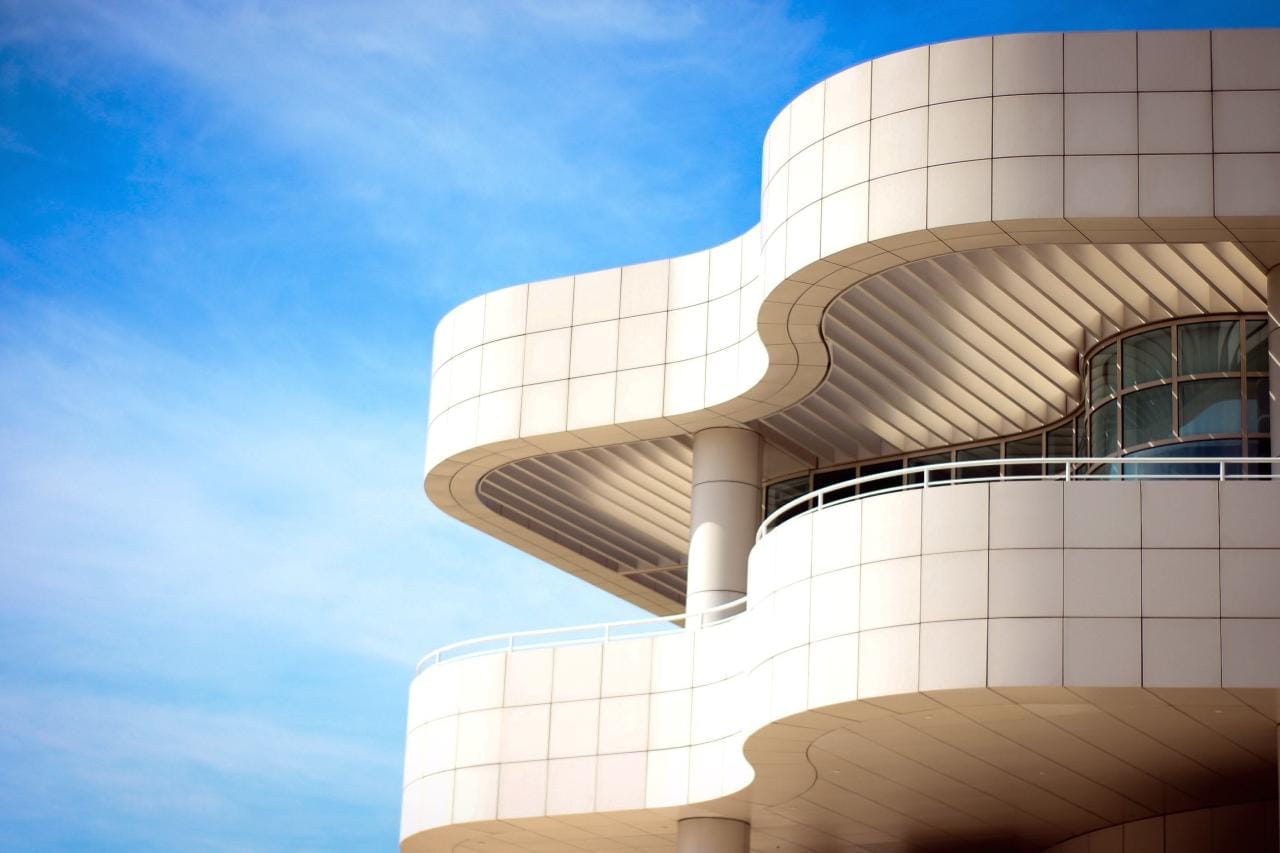
Parametric tools excel at generating and managing complex curved surfaces that challenge conventional construction techniques. Double-curved surfaces—those that curve in multiple directions simultaneously—create visually dramatic effects while also offering structural advantages in certain applications.
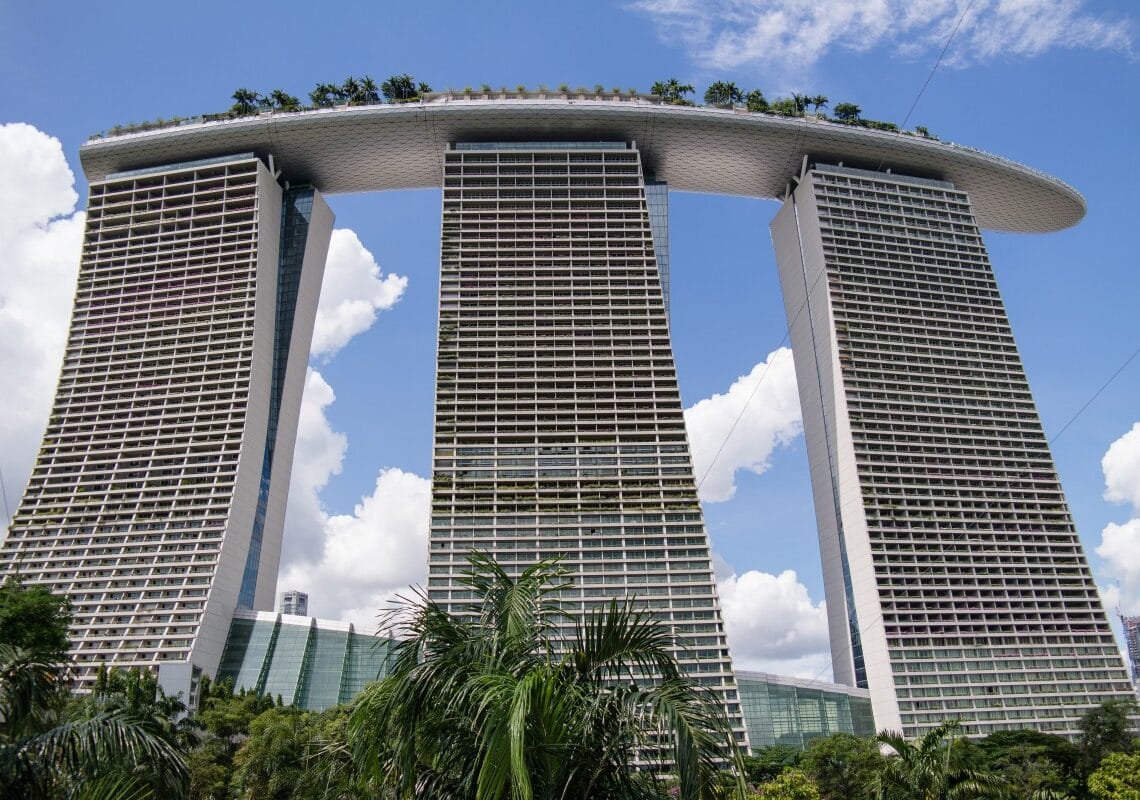
These geometries enable architects to design buildings with flowing, continuous surfaces that seem to defy gravity. Stadium roofs that sweep upward in graceful arcs, museum facades that ripple with wave-like undulations, and tower forms that twist as they rise—all become feasible through parametric design approaches.
The mathematical precision of parametric systems ensures that even the most complex curves can be documented, analyzed, and ultimately constructed. Each surface is broken down into manageable components, with the software generating detailed specifications for fabrication and assembly.
Adaptive and Responsive Architectural Elements
Parametric design enables the creation of buildings that adapt to changing conditions. Kinetic facades can open and close in response to sun angles, internal shading systems can adjust based on occupancy patterns, and structural elements can be optimized for specific load scenarios.
This responsive architecture represents a significant departure from static building traditions. Instead of designing for worst-case scenarios and accepting inefficiency during normal operations, architects can now create systems that continuously optimize their performance.
A. Climate-Responsive Envelopes: Building skins that adjust their thermal properties, transparency, or ventilation characteristics based on weather conditions and internal requirements.
B. Daylight-Optimized Configurations: Window patterns, shading devices, and internal layouts generated through analysis of sun paths and desired illumination levels throughout the year.
C. Structural Adaptation: Load-bearing systems that concentrate material exactly where structural forces demand it, minimizing waste while maximizing performance.
D. Acoustic Optimization: Interior surfaces shaped to achieve desired sound reflection and absorption patterns for specific uses.
The Technology Powering Parametric Architecture
Software Platforms and Design Tools
The parametric design revolution has been enabled by sophisticated software platforms that combine powerful computational engines with intuitive interfaces. These tools have evolved significantly over the past two decades, becoming increasingly accessible while growing more capable.
Leading parametric design software includes visual programming environments where designers connect nodes representing different operations, creating complex workflows without writing traditional code. These platforms integrate modeling, analysis, and documentation capabilities into unified ecosystems that support the entire design process from conceptualization through construction documentation.
Many contemporary architectural offices now employ specialists who focus exclusively on developing parametric workflows and custom tools tailored to their firm’s design approaches. This has created a new specialization within the profession, bridging architecture, programming, and computational thinking.
Integration with Analysis and Simulation
One of parametric design’s greatest strengths lies in its seamless integration with performance analysis tools. Designers can evaluate structural behavior, energy consumption, daylighting quality, acoustic performance, and numerous other criteria without leaving their design environment.
This tight integration creates powerful optimization workflows where design alternatives are automatically generated and evaluated against performance targets. Rather than designing first and analyzing later, architects now work within a continuous feedback loop where analysis directly informs form generation.
Environmental simulation tools assess how buildings interact with climate conditions, predicting heating and cooling loads, natural ventilation potential, and occupant comfort levels. Structural analysis calculates required member sizes, identifies stress concentrations, and validates stability. Daylighting simulations reveal illumination patterns throughout spaces at different times of day and year.
Digital Fabrication and Construction Technology
Parametric design’s full potential is realized when connected to digital fabrication technologies. Computer-controlled manufacturing equipment can produce complex components directly from parametric models, bypassing traditional limitations of conventional construction techniques.
A. CNC Machining: Computer-controlled cutting tools that can produce intricate components with millimeter precision from various materials including wood, metal, and composites.
B. 3D Printing and Additive Manufacturing: Layer-by-layer construction methods that can create geometrically complex elements impossible to produce through subtractive techniques.
C. Robotic Assembly: Programmable robotic systems that can position, weld, and assemble building components with consistency and accuracy exceeding human capabilities.
D. Laser Cutting and Water Jet Cutting: High-precision cutting technologies that convert digital patterns into physical components for facades, screens, and decorative elements.
E. Formwork Automation: Digital systems for creating custom molds and forms that enable the casting of complex concrete shapes economically.
Real-World Applications and Case Studies
Iconic Buildings Showcasing Parametric Design
Around the globe, landmark structures demonstrate the transformative potential of parametric design. These buildings have become cultural icons while advancing the technical capabilities of the architecture industry.
Major cultural institutions have embraced parametric approaches for their distinctive visual character and performance capabilities. Museum buildings feature swooping roofs generated through complex surface optimization, with each structural element precisely calibrated for its location and load conditions. Convention centers span vast distances with minimal internal columns, their roof structures designed through topology optimization algorithms that identify the most efficient material distribution.
Transportation hubs utilize parametric design to manage the geometric complexity of intersecting circulation paths, structural systems, and building services. The resulting spaces achieve both functional clarity and architectural drama, with natural light filtering through carefully calculated openings in elaborate roof geometries.
Sustainable Design Through Parametric Optimization
Environmental performance has become a central driver for parametric design adoption. The ability to rapidly test thousands of design variations against sustainability metrics has revolutionized how architects approach energy efficiency and environmental responsibility.
Building orientations, window-to-wall ratios, shading strategies, and material selections can all be optimized simultaneously to minimize energy consumption while maximizing occupant comfort. Parametric tools enable designers to balance competing objectives—such as views, daylighting, and solar heat gain—finding solutions that would be impossible to identify through manual iteration.
Beyond individual buildings, parametric approaches are being applied at urban scales to optimize neighborhood layouts, green space distribution, and infrastructure planning. These applications promise to make cities more livable, efficient, and environmentally responsive.
Mass Customization in Housing and Commercial Development
Parametric design is democratizing architectural customization, making it economically feasible to produce unique designs at scale. Housing developments can offer buyers personalized layouts and aesthetic variations while maintaining construction efficiency through digitally controlled fabrication.
Commercial developers are using parametric tools to adapt building designs to specific site conditions, local regulations, and market demands without requiring complete redesigns for each project. This flexibility reduces costs while improving outcomes, as buildings can be optimized for their particular contexts rather than relying on generic templates.
Challenges and Considerations in Parametric Architecture
Technical Complexity and Learning Curves
Despite increasingly user-friendly interfaces, parametric design still requires significant technical knowledge and computational thinking skills. Architects must understand not just design principles but also mathematical relationships, algorithmic logic, and software capabilities.
Educational institutions are adapting curricula to incorporate computational design thinking alongside traditional architectural education. However, the transition remains challenging for many practitioners trained in conventional methods, creating a generational divide within the profession.
Construction Feasibility and Cost Considerations
While parametric design can generate virtually unlimited formal possibilities, not all parametrically designed forms are practical or economical to construct. The gap between digital possibility and physical reality remains a significant challenge.
Successful parametric projects require close collaboration between designers, engineers, and contractors from early design phases. Construction feasibility must inform the parametric system itself, with fabrication constraints and assembly logic built into the generative algorithms.
Cost management presents particular challenges, as complex geometries often require custom components and specialized construction techniques. However, digital fabrication is gradually reducing the cost premium for complexity, making geometrically sophisticated designs increasingly economically viable.
Balancing Algorithmic Generation with Design Intent
There’s an ongoing debate within the architectural community about the role of human creativity when algorithms generate forms. Critics worry that parametric design might lead to architecture that is computationally impressive but experientially disconnected or lacking in human meaning.
Skilled practitioners argue that parametric tools are just that—tools—and that human judgment, aesthetic sensibility, and cultural awareness remain essential. The most successful parametric projects demonstrate how computational power can amplify rather than replace human creativity, enabling designers to explore possibilities and achieve levels of refinement previously unattainable.
Future Directions in Parametric Architecture
Artificial Intelligence and Machine Learning Integration
The next evolution in parametric design involves incorporating artificial intelligence and machine learning algorithms that can identify patterns, predict outcomes, and generate solutions based on vast datasets of previous projects and performance data.
AI-enhanced parametric systems might automatically identify optimal design strategies based on project requirements, climate data, and performance objectives. Machine learning could analyze how people interact with spaces, feeding behavioral insights back into design generation algorithms.
Sustainability and Climate Adaptation
As climate change intensifies and resource constraints become more pressing, parametric design will play an increasingly critical role in creating buildings that minimize environmental impact while adapting to changing conditions.
Future parametric systems will likely integrate real-time environmental monitoring, allowing buildings to adjust their configurations based on actual performance data rather than just predicted behavior. This could lead to architecture that continuously evolves and optimizes itself throughout its lifespan.
Democratization Through Cloud Computing and Automation
Cloud-based parametric design platforms are making powerful computational capabilities accessible without requiring expensive hardware. This democratization could enable smaller firms and individual designers to employ techniques currently available mainly to large, well-resourced practices.
Automated design systems might eventually handle routine optimization tasks, allowing architects to focus their creative energy on higher-level conceptual and experiential questions. This could increase productivity while actually enhancing the human-centered aspects of architectural practice.
Conclusion
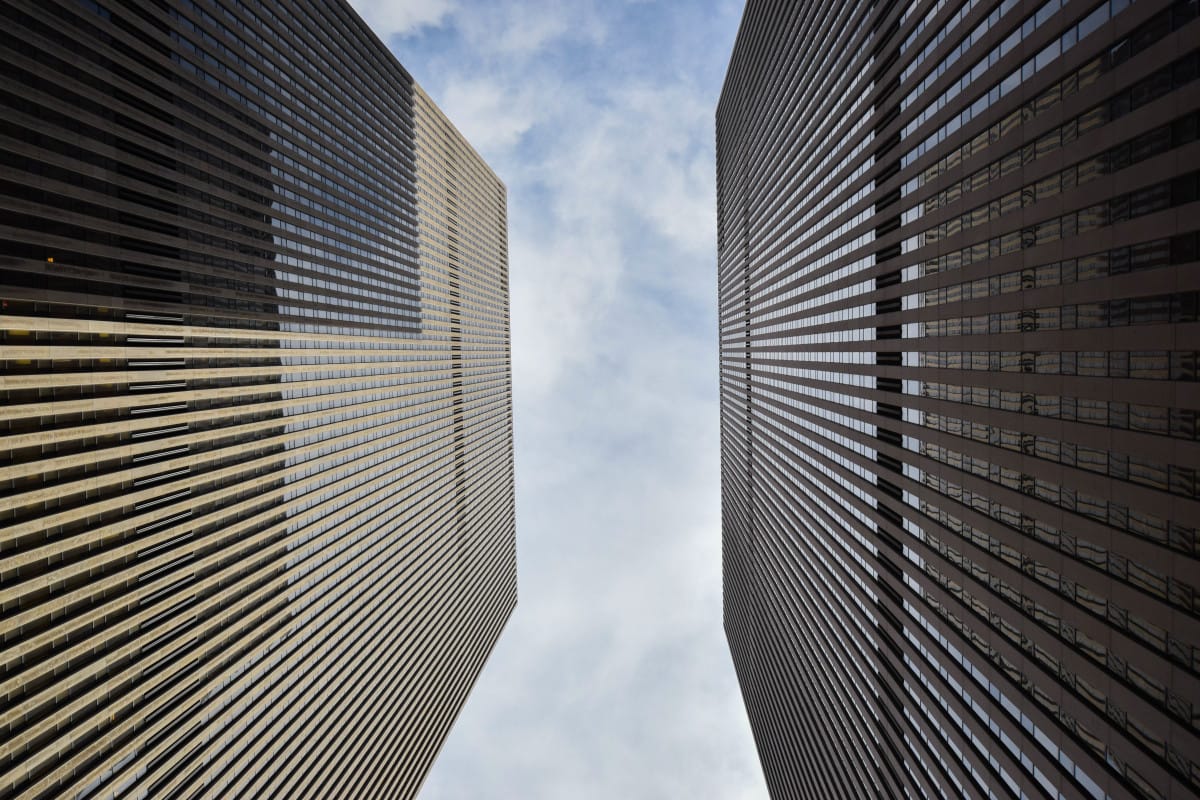
Parametric design has fundamentally transformed architectural practice, unlocking futuristic forms and performance capabilities that were unimaginable just decades ago. By replacing static design approaches with dynamic, algorithm-driven systems, architects can now explore vast design spaces, optimize for multiple objectives simultaneously, and realize buildings of unprecedented complexity and sophistication.
The most successful parametric projects demonstrate that computational power and human creativity are not opposing forces but complementary capabilities. When algorithms handle the computational complexity of generating and evaluating countless design variations, architects are freed to focus on the experiential, cultural, and aesthetic dimensions that make buildings meaningful.
As the technology continues to evolve—incorporating artificial intelligence, expanding fabrication capabilities, and becoming more accessible—parametric design will likely become not a specialized approach but simply how architecture is practiced. The futuristic forms it enables today may become the architectural vernacular of tomorrow, fundamentally reshaping our built environment in ways both visible and invisible.
The parametric revolution in architecture ultimately represents something more profound than new aesthetic possibilities. It signals a shift toward buildings that are smarter, more efficient, more responsive, and more precisely tailored to their contexts and purposes. In an era of environmental challenges and resource constraints, these capabilities aren’t just enabling futuristic visions—they’re becoming essential tools for creating a sustainable and livable built environment for future generations.