

Lucrative Six-Figure Design Careers
In today’s dynamic creative industry, talented designers have numerous opportunities to achieve substantial financial success. With the rapid evolution of digital technologies, emerging trends like artificial intelligence, augmented reality, and user-centered experiences have opened doors to high-earning positions. Professionals who specialize in in-demand fields can easily surpass the $100,000 annual income threshold, especially in tech hubs or through freelance ventures. This comprehensive guide explores promising career paths in design that offer six-figure potential, providing insights into responsibilities, required skills, salary expectations, and strategies for advancement as of late 2025.
The design sector continues to thrive due to increasing demand for intuitive digital products, immersive experiences, and strong brand identities. Companies across industries—from tech giants to startups—are investing heavily in creative talent to stay competitive. Whether you’re a seasoned professional or aspiring to enter the field, understanding these lucrative roles can help you chart a rewarding trajectory.
Why Design Careers Are Booming in 2025
The creative economy is expanding faster than ever, driven by digital transformation and consumer expectations for seamless, visually appealing interactions. Fields blending creativity with technology, such as user experience and motion graphics, are particularly lucrative. Additionally, the rise of remote work and freelancing platforms has enabled designers to access global clients, boosting earning potential.
Factors contributing to high salaries include: A. Specialization in niche areas like AI-integrated design or AR/VR. B. Experience in high-demand industries such as tech, e-commerce, and gaming. C. Strong portfolios demonstrating impactful results. D. Leadership roles overseeing teams and strategies. E. Geographic location, with higher pay in cities like San Francisco, New York, and Seattle.
Emerging technologies are reshaping the landscape, creating roles that command premium compensation. Designers who upskill in tools like Figma, Adobe Suite, and emerging AI platforms position themselves for top-tier opportunities.
Top Six-Figure Design Career Paths
Here are some of the most rewarding design careers offering six-figure incomes, based on current market data.
1. UX/UI Designer

User experience (UX) and user interface (UI) designers focus on creating intuitive, engaging digital products. UX professionals conduct research to understand user needs, while UI experts craft the visual and interactive elements.
Senior roles often exceed $120,000 annually, with top earners in tech companies reaching $150,000–$250,000, including bonuses. In 2025, average UX designer salaries hover around $121,000, while UI specialists earn similarly or slightly higher.
Key responsibilities: A. Conducting user research and usability testing. B. Developing wireframes, prototypes, and high-fidelity designs. C. Collaborating with developers and product managers. D. Incorporating accessibility and inclusive design principles.
To excel, master tools like Figma, Sketch, and Adobe XD. Certification in UX research or AI-enhanced design can further elevate earnings.
2. Product Designer
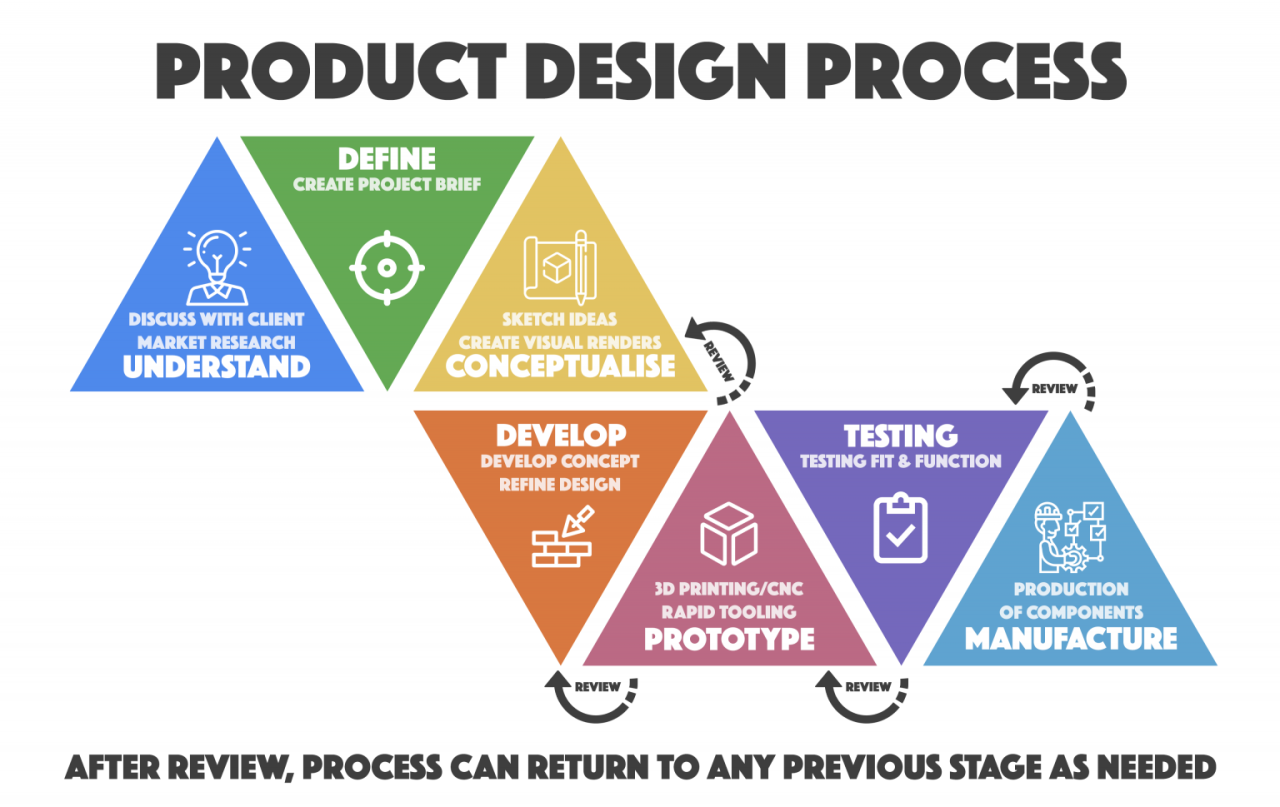
Product designers bridge UX/UI with business goals, overseeing the end-to-end design of digital or physical products. This role is prevalent in tech firms and startups.
Salaries typically range from $110,000 to $160,000, with seniors in major companies earning over $200,000. The holistic nature of the role justifies the high pay.
Essential skills: A. End-to-end product lifecycle management. B. Prototyping and iteration based on data. C. Cross-functional collaboration. D. Knowledge of emerging tech like voice interfaces.
Many product designers transition from UX/UI backgrounds, adding strategic thinking to their creative expertise.
3. Creative Director

Creative directors lead teams in developing visual strategies for brands, campaigns, or products. They oversee graphic designers, copywriters, and other creatives.
Average salaries in 2025 are around $140,000–$155,000, with executive levels surpassing $200,000 in advertising or tech.
Duties include: A. Conceptualizing and approving creative visions. B. Managing budgets and timelines. C. Mentoring junior talent. D. Aligning designs with brand objectives.
Experience in agency settings or in-house roles is crucial for advancement.
4. Motion Graphics Designer
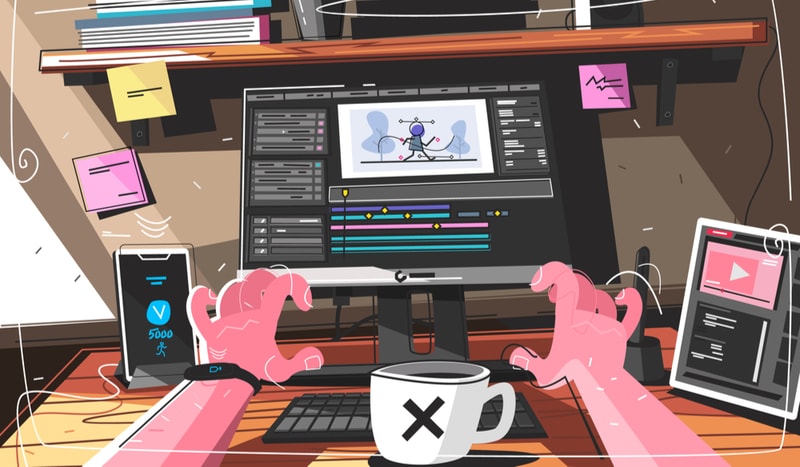
Motion graphics designers create animated visuals for videos, ads, and digital media. Demand has surged with social media and streaming platforms.
Earnings often reach $100,000–$150,000 for experienced professionals, especially in entertainment or marketing.
Core elements: A. Animating graphics using After Effects or Cinema 4D. B. Storytelling through movement and effects. C. Integrating sound and timing. D. Adapting to trends like short-form video content.
Freelancers in this niche can command high rates due to specialized skills.
5. AR/VR Designer

Designers specializing in augmented and virtual reality craft immersive experiences for gaming, training, or retail.
As AR/VR adoption grows, salaries range from $120,000 to $180,000, with pioneers earning more.
Requirements: A. Proficiency in Unity or Unreal Engine. B. 3D modeling and spatial design. C. User testing in virtual environments. D. Collaboration with developers.
This emerging field offers exciting growth potential.
6. Brand Designer

Brand designers develop visual identities, including logos, guidelines, and marketing materials.
Senior brand designers earn $110,000–$160,000, particularly in consumer goods or tech.
Tasks involve: A. Researching market positioning. B. Creating cohesive brand systems. C. Overseeing application across media. D. Evolving brands over time.
Strong conceptual thinking drives success here.
7. Freelance Specialist Designer

Freelancing allows designers to achieve six figures by niching down and securing premium clients.
Many freelance UX/UI or motion designers report $150,000+ annually through retainers and high-value projects.
Advantages: A. Flexibility in rates and projects. B. Global client access via platforms like Upwork. C. Multiple income streams. D. Potential for passive products like templates.
Building a strong network and portfolio is key to scaling.
Skills That Boost Your Earning Potential
To reach six figures, focus on these in-demand competencies: A. Proficiency in industry-standard tools (e.g., Figma, Adobe Creative Suite). B. Understanding of AI tools for design efficiency. C. Data-driven decision-making and analytics. D. Leadership and communication for senior roles. E. Specialization in high-growth areas like accessibility or sustainable design. F. Soft skills like problem-solving and adaptability.
Continuous learning through courses or certifications keeps you competitive.
How to Break Into Six-Figure Design Roles
Starting out: A. Build a standout portfolio showcasing real-world impact. B. Gain experience through internships or junior positions. C. Network on platforms like LinkedIn, Behance, or Dribbble. D. Consider bootcamps for quick upskilling.
For advancement: A. Seek mentorship and feedback. B. Negotiate salaries based on market research. C. Transition to leadership or freelance for higher earnings. D. Relocate or go remote for better opportunities.
Many designers reach six figures within 5–10 years with dedication.
Factors Influencing Salaries
Compensation varies by: A. Location (higher in tech hubs). B. Company size (FAANG-level firms pay premiums). C. Experience level (seniors earn 50–100% more). D. Industry (tech and finance top the list). E. Remote vs. in-office arrangements.
In 2025, remote roles have equalized pay across regions somewhat.
The Future of High-Paying Design Careers
Looking ahead, integration of AI, metaverse experiences, and ethical design will create even more lucrative opportunities. Designers who embrace innovation and lifelong learning will thrive.
Achieving a six-figure income in design is attainable with passion, skill development, and strategic positioning. The field rewards creativity and problem-solving, offering not just financial rewards but fulfilling work.